
Defect Detection
Find scratches, contamination, cracks and surface flaws that fixed-rule vision misses.
Defect Detection
AI-based defect detection copes with the visual variability of real products — reflective surfaces, machining marks, low-contrast scratches and natural texture — where threshold-based inspection is unstable.
What it covers
- Surface, scratch and crack detection
- Contamination and foreign-object detection
- Low-contrast and reflective-surface handling
- Anomaly detection from good samples only
- Pass/fail to PLC reject systems
- Defect-by-machine-condition correlation
In practice
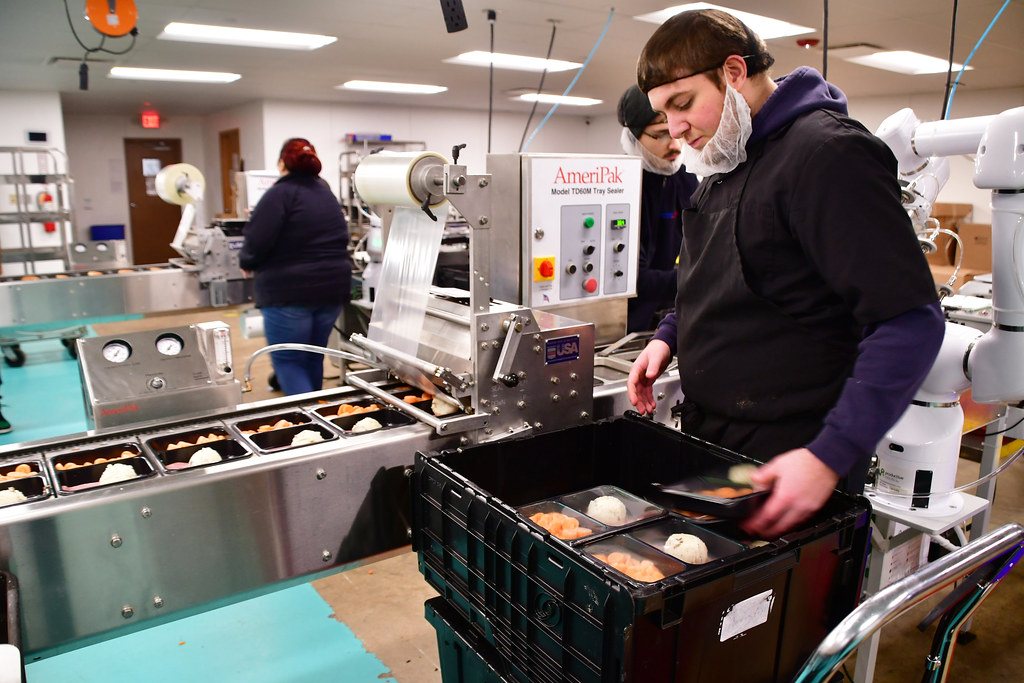
AI Dress-Bird Grading — Poultry Processing
A poultry processor grades every dressed bird on the shackle line against a documented quality standard — Grade A, B, C or reject — covering torn skin, scratch skin, haematoma and bruising, broken parts (patah), ammonia burn and other defect classes. PacketDCS is running a proof of concept on this line: AI vision grading every bird as it moves, at line speed, with per-bird evidence — measured against the graders it is meant to support.
Read the case study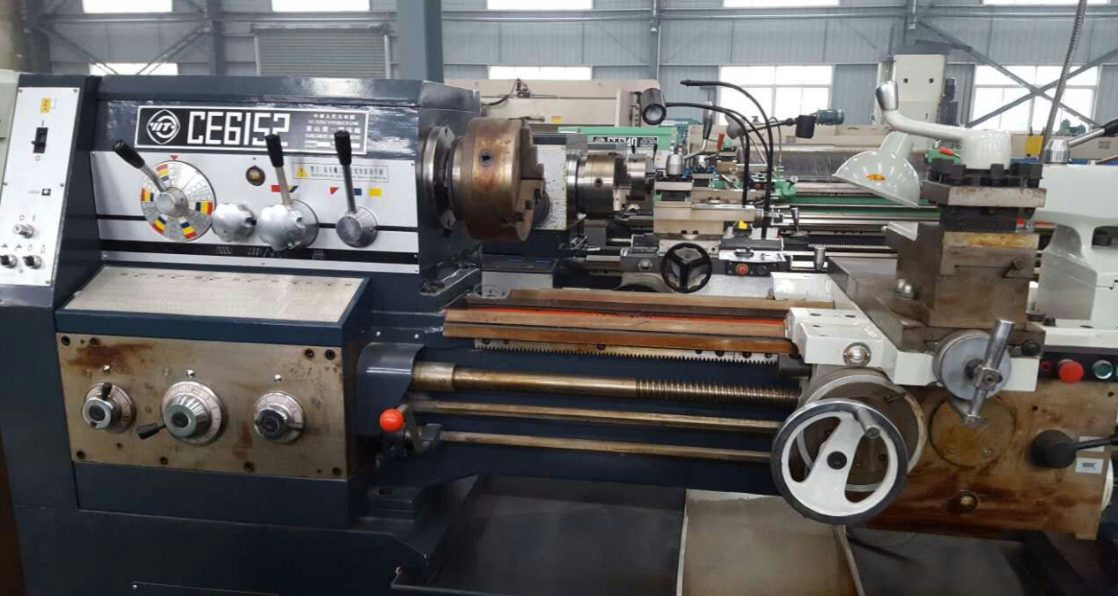
Reflective Metal Surface Inspection
Detect scratches, dents and machining marks on curved, reflective machined components.
Read the case study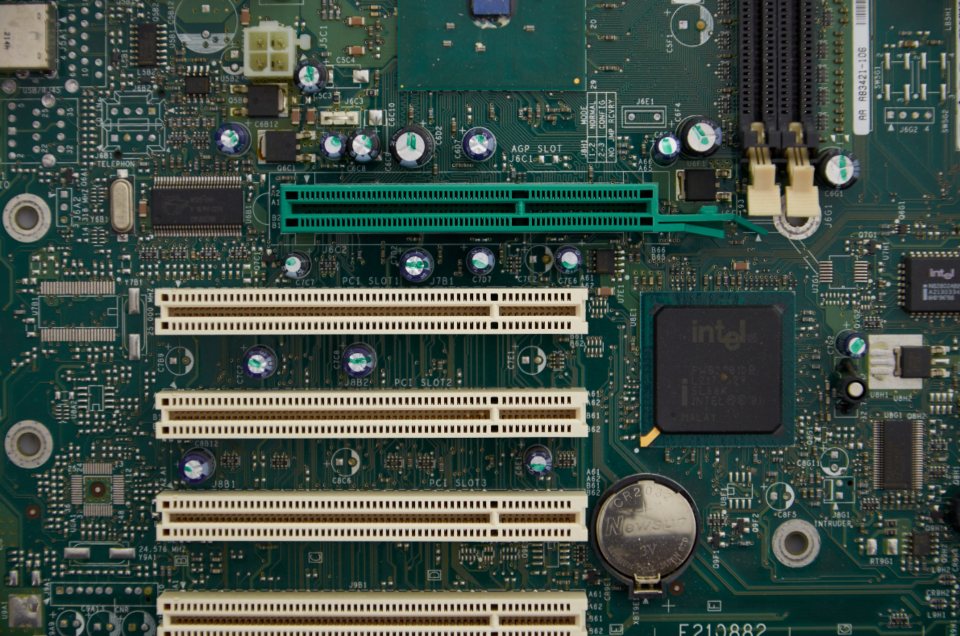
PCB Assembly Verification
Verify component presence, polarity and orientation on populated boards before they reach reflow and test.
Read the case studyDiscuss defect detection on your line
A scoped conversation with an application engineer, followed by a structured proof of concept.